
September 25, 2026
The Art of Hair & Make-Up for Global Majority Talent
Credit: Netflix
A look at the craft, skills and representation shaping hair and make-up in film and TV
Back in 2020, Equity surveyed Black, Asian and minority ethnic performers, and the findings were stark. A trip to the hair and make-up chair should be one of the most routine parts of a working day on set. Instead, respondents reported widespread experiences of racial discrimination linked to hair and make-up, reinforcing the need for better training, greater representation and more inclusive practices across the industry.
Performers shared a wide range of experiences, including artists not always having the right products or training to work with different skin tones and hair textures. Some had been asked to bring and apply their own products, whilst others experienced hair damage or had to have their needs passed over to external specialists, leaving them with an overwhelming feeling that they had been overlooked in the production’s planning process.
Hair and make-up is, without doubt, one of the most creative and collaborative departments on any production – and it carries a major responsibility in ensuring performers feel comfortable, confident and authentically represented on screen.
In 2023, actress Fola Evans-Akingbola brought these issues into sharp focus in her powerful documentary, Untold Stories: Hair on Set. Through candid interviews with fellow performers, the film explores the emotional impact of repeatedly feeling unseen or unprepared for in the hair and make-up chair, whilst highlighting the wider need for greater training, representation and specialist expertise across the industry:
“It became clear to me that something as seemingly superficial as getting your hair done can actually reveal a whole story about race, identity and belonging.”
Fola, whose documentary helped spark industry-wide conversations about hair and make-up equity, emphasises how important the relationship between a hair and make-up artist and a performer actually is:
“The hair and makeup truck is the first place you go in the morning, and it is a wonderful place to be when things are going smoothly. When things are how they should be, you feel safe and able to focus on what you are there to do […]
Fola’s documentary – and the growing number of other performers speaking openly about their experiences – have helped turn this long-running problem into an industry-wide conversation about skills, standards and accountability. Last year, BECTU’s Hair, Make-up and Prosthetics Branch published Hair, Makeup and Prosthetics: Essential Skills Requirements for Working with Textured Hair and Darker Skin Tones. The guidance, endorsed by the National Occupational Standards for Hair and Beauty as well as the Hair and Beauty Industry Authority, was developed in direct response to the issues repeatedly raised by Global Majority performers, and aims to ensure they receive the same standard of skilled provision as their white colleagues.
Crucially, it makes clear that working confidently with textured hair and darker skin tones should not be considered a specialist extra. It also places responsibility more firmly with productions: Producers can use it when recruiting hair and make-up departments, Designers and Supervisors when building teams with the right skills, and performers and their agents when asking what provisions will be available on set. For Fola, that sense of shared responsibility is essential:
“Everyone can do their part to empathetically and proactively tackle this issue: agents can advocate for their clients and make sure protections are in the contracts; the union can ensure there are specific clauses in the collective agreements; producers can ensure they are aware of the issue and take it into consideration when hiring the Heads of Department; HODs can ensure they hire a team that have all the skillsets needed for the project and encourage team members to upskill; the broadcasters and studios can make commitments to ensure their productions will have appropriate hair and makeup provisions for all performers; hair and makeup artists can upskill as well as ensure they are sensitive to the emotions involved.”
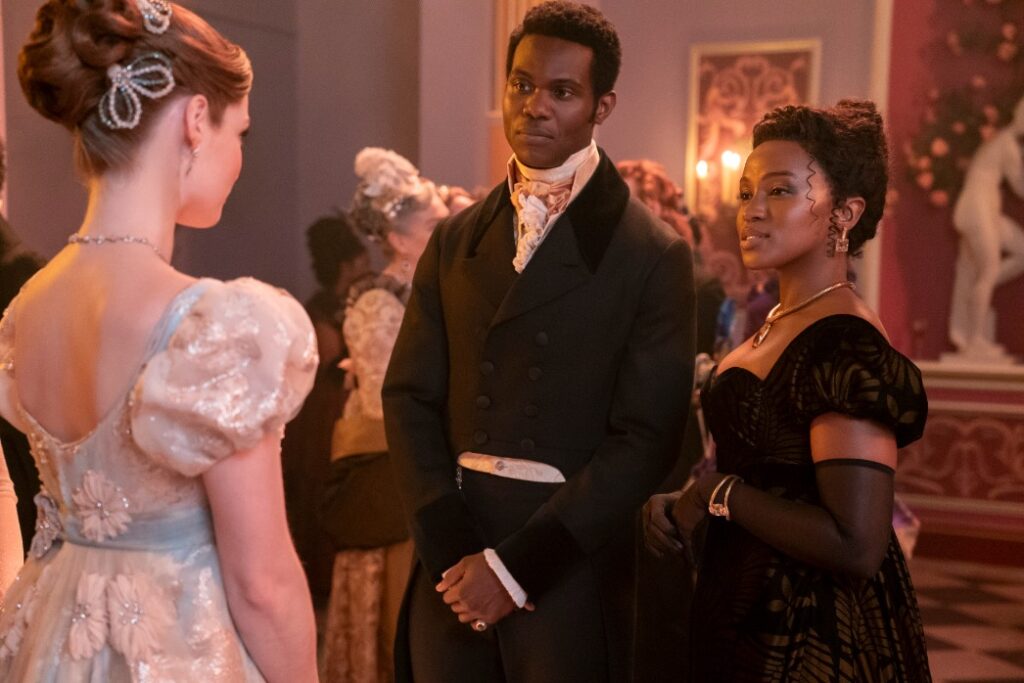
Hair & Make Up Designer Erika Ökvist (Bridgerton, Homeland), agrees. During her work on Bridgerton, Erika helped shape one of TV’s most recognisable and stylish worlds, working with a diverse cast to ensure every performer’s hair and skin was properly understood, cared for and woven into the show’s distinctive aesthetic. For Erika, inclusive practice begins with the script: understanding what the story and cast will require, then building a department with the right combination of skills – whether that means expertise in textured hair, barbering, colour or another specialist area.
Rather than expecting every artist to know everything, Erika believes teams should be encouraged to share their knowledge and continue developing as products and techniques evolve:
“Training addresses inclusivity, but they’re not yet going into enough depth. Artists need more practical experience of working with different hair textures and skin tones, as well as a stronger understanding of colour theory. Nobody can know everything, so we need to keep learning from one another and evolving as artists.”
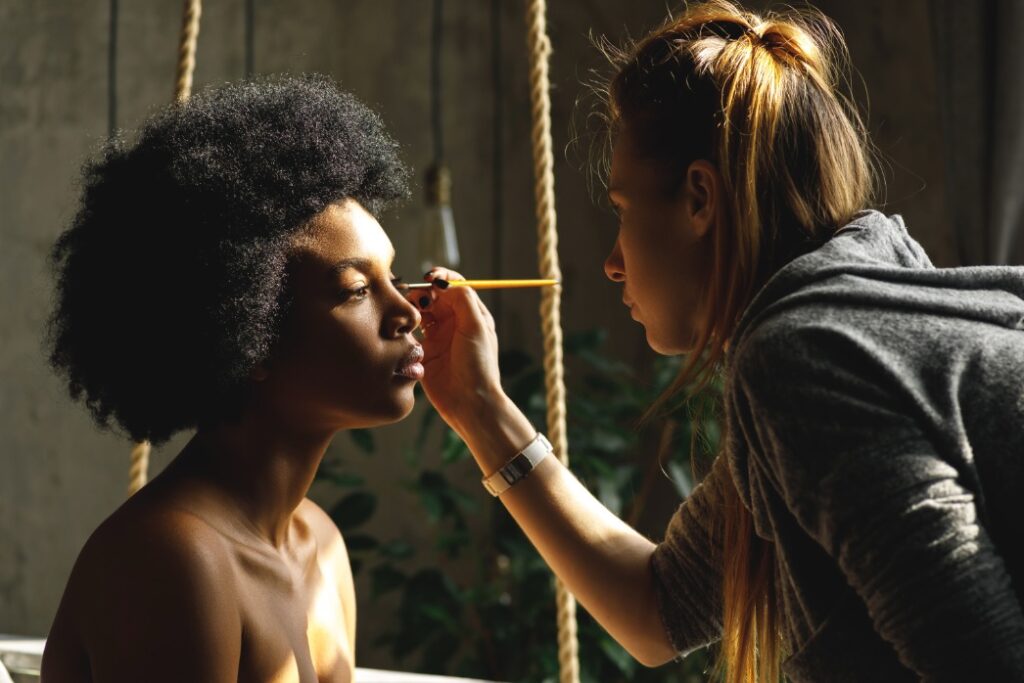
Building a more inclusive industry also means widening representation behind the chair. Last Looks Beauty, an inclusive Afro hair and make-up agency and education platform, works with young people in underrepresented communities to introduce hair and make-up as a tangible, creative career, alongside delivering masterclasses for artists at different stages of their careers. As the team explains, many young people ‘simply don’t know these are viable creative careers.’ For Founder Sam Russell, education is central to developing a more representative workforce with the skills productions need:
“There is a lack of Global Majority Hair and Make-up Artists and Designers working at the highest levels of our industry, and we believe part of the answer is that many people from these communities simply don’t know these are viable creative careers. Education has to be part of the long-term solution.”
Technical skill, though, is only part of the picture. Erika, like Fola, reflected on how previous experiences can shape the way a performer feels when they arrive in the hair and make-up chair, recalling one encounter from earlier in her career:
“If somebody has been badly treated before, they can come into the chair feeling weary or scared. You have to take the time to listen, make them feel safe and help instil that confidence again.”
For Erika, the test make-up process is where trust is established and the creative collaboration begins:
“You might try things that work and things that don’t, but you find the solution together. It’s about learning the performer’s face, hair texture and skin tone, whilst making the process enjoyable and collaborative.”
For performers who have previously felt overlooked or poorly supported, that trust is everything. Taking the time to listen and collaborate can help them begin their day feeling confident, understood and ready to perform.
On Bridgerton, this care sits alongside an especially bold approach to creativity. Erika describes the show’s aesthetic as ‘hybrid Regency’: grounded in the period, but able to move beyond strict historical accuracy through modern techniques, products and cultural influences. From towering, fantastical wigs and sculptural updos to intricate braids, locs and Afro-textured styles, every look is carefully crafted – whilst flowers, feathers and jewels dial up the drama. Hair, make-up and costume become tools for celebrating identity, helping to create the distinctive world audiences have come to love.
For emerging artists, her advice is simple: trainees aren’t supposed to know everything. What matters is being proactive, communicating, asking questions and continuing to practice. Above all: ‘Be kind to each other and yourselves.’
Ultimately, we hope the industry reaches a point where inclusive hair and make-up provision no longer requires a separate conversation. Until then, meaningful change relies on the whole industry playing its part: productions planning properly, Designers building teams with the right skills, Artists continuing to learn, and, crucially, performers being heard. Because every performer deserves to begin their day feeling confident, cared for and ready to do their best work.
With thanks to Fola Evans Akingbola, Erika Ökvist and Last Looks Beauty for sharing their insights and experiences.
Find out more about Last Looks Beauty’s inclusive film and TV hair and make-up masterclasses.
Looking for skilled Hair and Make-Up crew for your next production? Our free National Crew Directory connects productions with experienced freelancers working across England’s regions.